
Reviewed · VITI LEVU TOURS
Fiji 2 Night Hiking Adventure and Cultural Experience
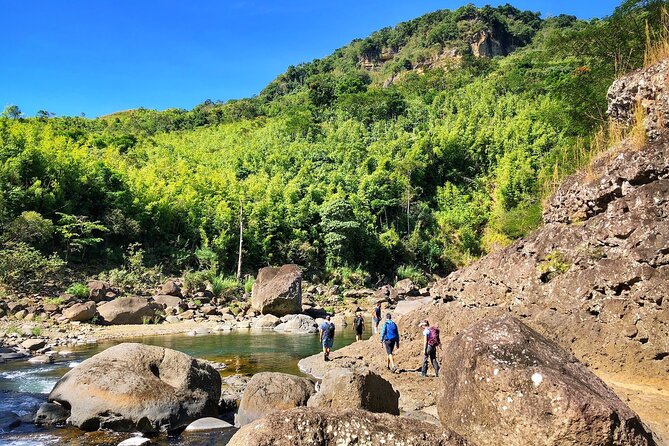
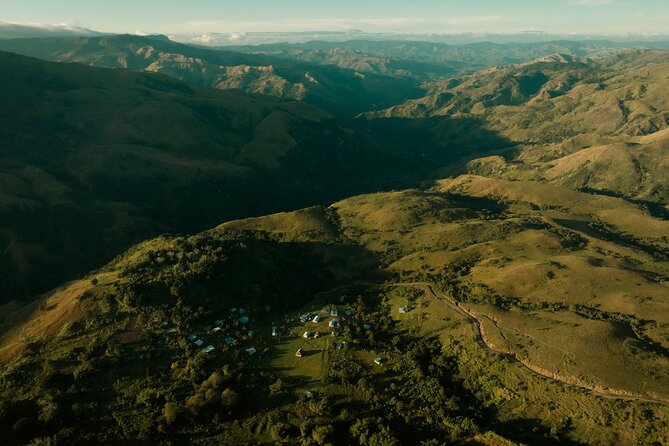
Fiji’s best surprise may be far from its beaches. This three-day trip carries you into the Nadrau highlands, where old village paths, cool rivers, and broad views replace resort pools and cruise crowds. You sleep in remote communities and walk trails used to link villages that are now abandoned.
I like two things right away: local guides lead the hikes, so the route comes with stories and cultural context, and meals are prepared by women from the villages where you stay. The small group, capped at 12 people, also gives the trip a personal feel. The trade-off is clear: the hikes are strenuous, with steep climbs and descents, so this is not a sightseeing tour with a short stroll attached.
Key points to know before booking
- Three days from Nadi or Suva: Pickup is usually between 12:30 and 1 p.m. on day one, with the trip ending after the return drive on day three.
- A real highland trek: Day two covers 12 kilometers in about seven hours, with rugged trails, grassland, forest, and plenty of climbing.
- Village-based travel: You stay in remote communities and eat meals prepared by local residents, rather than using a standard hotel.
- Two very different hikes: The long second-day route links abandoned village sites, while day three adds a 5-kilometer forest loop and natural waterslide.
- Community guides make the difference: Guides such as Ben help explain Fijian culture, leadership, the vanua, church influence, and government.
- Good value for active visitors: The $609.12 price includes a rare cultural experience, guiding, village stays, hiking, and transport, but it is harder to justify if you want comfort or easy walks.
Why this highland trip feels different from resort Fiji
Most Fiji holidays are built around warm water, palm trees, and easy relaxation. This trip asks you to trade some comfort for access to the interior of Viti Levu, Fiji’s largest island. The reward is a side of the country that many visitors never see.
The highlands are not simply a pretty backdrop. They shape the communities, the old routes between settlements, and the way people relate to the vanua, a Fijian term tied to land, people, customs, and community life. Your guide helps connect the walk to those larger ideas.
That cultural layer gives the trip more weight than a standard trek. You are not just walking from one viewpoint to another. You are passing through places where villages once stood, hearing about local leadership and governance, and staying with people who host visitors much as they would host visiting relatives.
The experience also has a useful balance of effort and fun. You can expect hard climbs, but you also get cooling rivers, big views, shared stories, laughter, and a natural waterslide in the forest. That mix matters. The trip is demanding, but it does not feel like a fitness test from start to finish.
More walks and climbs around Viti Levu:
- Private Breathtaking Koroyanitu Half Day Waterfall Hike
★ 5.0 · 49 reviews - Koroyanitu National Heritage Park Fiji – Hike – Waterfall
★ 5.0 · 20 reviews - Private Mnt Batilamu Full Day Hike
★ 4.5 · 14 reviews
Day one: Leaving the coast for Naga village
Pickup usually takes place at your hotel between 12:30 and 1 p.m. From there, the route heads inland toward the Nadrau plateau. The drive is part of the transition. You leave the familiar coastal Fiji behind and head toward the interior, where roads and communities become more remote.
The first destination is Naga village, tucked away in the highlands. The day is listed as roughly 14 hours, but that total includes the transfer, arrival, and village-based portion of the trip rather than 14 hours of walking. You should still expect a long first day, especially if you have come from a beach resort and are not used to mountain roads.
Your first evening gives you a chance to settle into the pace of village life. Details about sleeping arrangements are not specified, so ask the operator what bedding and facilities will be available for your departure date. Do not arrive expecting a resort room. The point here is direct contact with a highland community, not polished hotel service.
Meals prepared by local women are one of the strongest parts of the visit. Food becomes a social bridge, and the evening gives you time to talk, laugh, and learn before the longer hike begins. You should approach the meal and the stay with respect for local customs, and follow your guide’s advice on village etiquette.
The cultural discussion can go beyond food and scenery. One participant found the experience especially useful for understanding leadership, the vanua, the role of the church, and the relationship between traditional structures and government. That is a good clue about the trip’s tone. You are not being handed a quick performance for visitors. You are being introduced to how community life is understood in the highlands.
Day two: Twelve kilometers along old village trails
Day two is the physical core of the experience. You hike about 12 kilometers in approximately seven hours, including stops. The route follows an old trail along the upper Sigatoka River and links sites associated with villages that have since been abandoned.
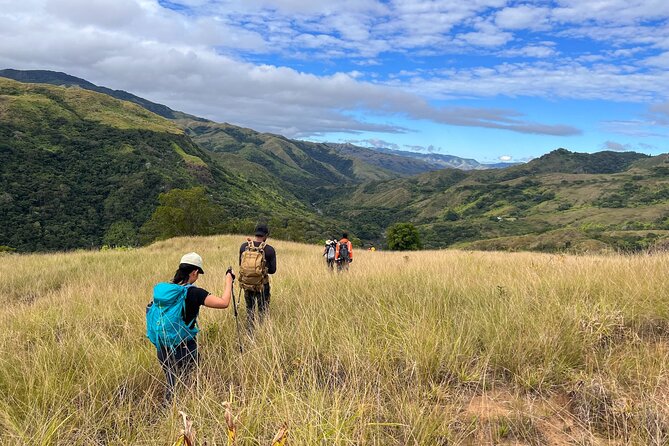
Expect a mix of grassland and forest rather than a smooth walking path. The trail is rugged, and the terrain includes serious uphill sections followed by equally demanding descents. The total distance may sound manageable on paper, but seven hours on uneven ground is a different matter from a flat 12-kilometer walk.
Your community guides set the pace and provide direction. Ben, one named guide associated with the trip, has been praised for explaining Fijian culture as well as leading the hike. That combination is important. A guide who knows the terrain can also help you understand why the route matters.
The old village sites give the hike its sense of place. You are walking through traces of former communities, not just passing through anonymous forest. The route can help you picture how people once moved between settlements and relied on the upper river area.
The scenery is a major reward. You may see sweeping views over the highland watersheds, along with forest, grassland, and river corridors. The views are not guaranteed at every moment, since weather can change quickly in mountain country, but the route is designed to show you a much broader part of Viti Levu than you would see from the coast.
Plan for a steady, tiring day. Wear proper walking shoes with good grip. Bring water, sun protection, and a light rain layer, but confirm the packing list with Talanoa Treks before departure. The tour requires a moderate level of physical fitness, and that wording should be taken seriously. People who are comfortable with long walks and hills will get more from the day than those who rarely exercise.
The guides appear to understand that visitors may not move as easily through the hills as local residents. That support can make a real difference, but encouragement does not remove the need for preparation. You should be ready to walk for hours, climb steadily, and handle difficult downhill sections.
Day three: A shorter forest walk with a playful finish
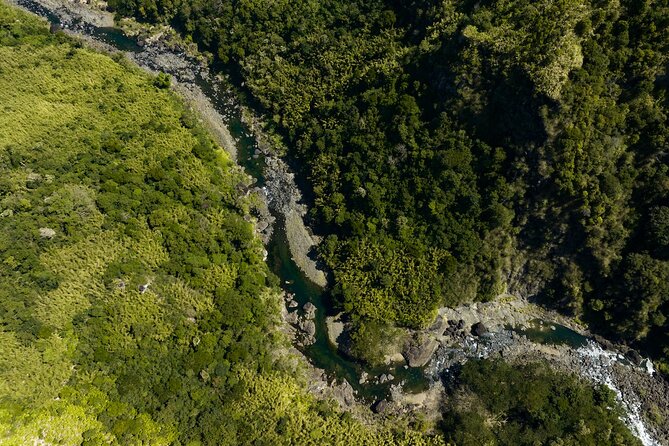
The final morning is gentler in distance but still active. You take a guided circular hike of about 5 kilometers, lasting roughly four hours. The route passes through forest and an old village site, giving you another chance to connect local history with the land around you.
The day’s unusual highlight is a natural waterslide tucked into the forest. It is the sort of playful stop that keeps the trip from becoming too serious. You can cool off, reconnect with your inner child, and enjoy a memorable moment in a natural setting.
The waterslide is also a reminder that this is not a museum-style cultural tour. The setting itself is part of the experience. Rivers, forest, hills, and old settlement sites all share the same space, and the guides help you move through it with care.
The shorter hike should not be mistaken for an easy stroll. You still walk for several hours over natural ground, and the previous day may leave your legs tired. The advantage is that the route gives you a final taste of the highlands without repeating the full seven-hour challenge.
After the hike, you leave Nabutautau by 4WD vehicle and descend toward Sigatoka. The drive includes wide views across the watersheds of the Ba and Sigatoka rivers. It is a fitting final look at the area you have crossed on foot.
From Sigatoka, the trip continues to Nadi or Suva, where the experience ends. The final transfer may take time, so avoid booking a flight or important connection too close to the expected arrival. Exact timing can depend on roads, weather, and the group’s progress.
A few more Viti Levu half-days worth weighing up
- Captain Cook Cruises Fiji – Sunset Dinner Cruise
★ 4.0 · 314 reviews - Fiji: Captain Cook Cruises Sunset Dinner Cruise
★ 4.3 · 111 reviews - Sunset Cruise with Dinner and Fire Show
★ 4.0 · 100 reviews - Day and Night Combo Tour
★ 4.5 · 49 reviews
The village stay is the heart of the experience
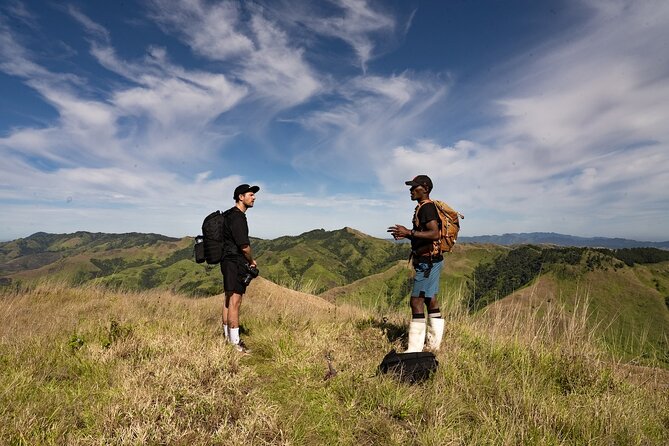
The hiking is excellent, but the village stay is what gives this trip its character. In a hotel, you might admire Fiji’s scenery from a distance. In the highlands, you have a chance to share food and conversation with people who live in the communities along the route.
That contact is valuable because it puts the scenery in context. You learn that the interior is not an empty wilderness waiting to be photographed. It is home territory, with its own customs, stories, leadership structures, and links between communities.
The trip also aims to support highland communities directly. Your stay and meals help create a reason for local people to host visitors and maintain community-led guiding. That does not make the trip a charity project, nor should you treat it as one. You are paying for a service and receiving an experience, while your spending also supports the communities involved.
A respectful attitude matters. Listen carefully, accept guidance about customs, and remember that you are entering someone else’s home area. If you want a staged cultural show, this may not be the right choice. If you want time to talk, learn, and share ordinary moments, the village stay is a strong reason to book.
How hard is the hiking?
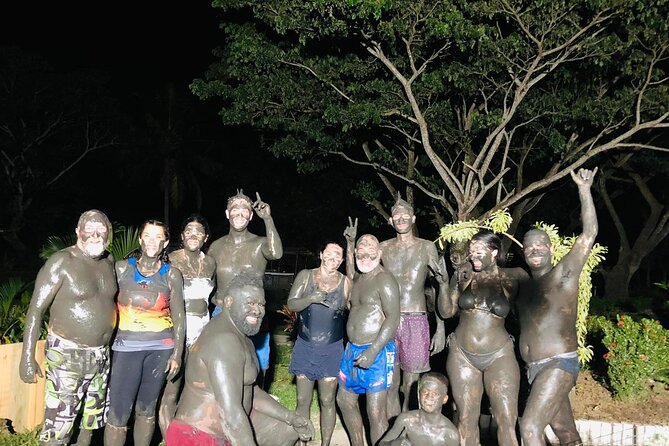
The physical demand is the main issue to consider. The operator asks for a moderate fitness level, but day two is a serious outing by ordinary sightseeing standards. Twelve kilometers over about seven hours, with steep climbs and descents, can feel much harder than the distance suggests.
You should be comfortable with:
- Walking for most of a day
- Uneven and rugged trails
- Long uphill sections
- Difficult downhill sections
- Wet conditions if the weather changes
- A basic village stay rather than full hotel comfort
The exact trail conditions can vary. The experience requires good weather, and poor conditions may lead to a different date or a full refund. That policy is sensible for a mountain route, but it means you should keep some flexibility in your Fiji schedule.
I would not choose this trip if you have mobility limits, dislike steep paths, or want a relaxed cultural outing. I would choose it if you regularly walk, enjoy remote settings, and are willing to work for the views.
What the $609.12 price really buys you
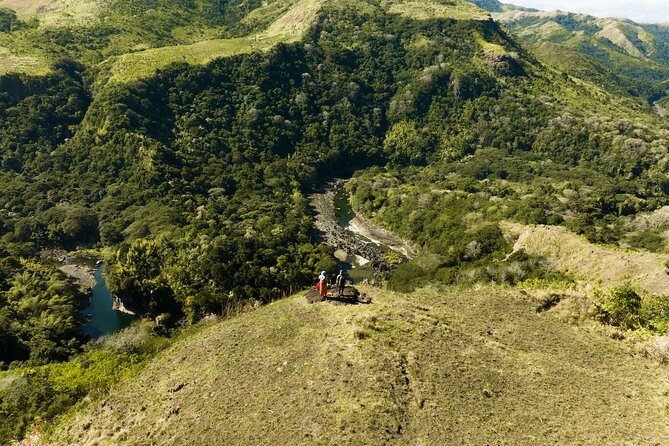
At $609.12 per person, this is not a budget day tour. It is also difficult to compare directly with a beach excursion because the structure is different. You are paying for three days, two nights, community guiding, remote village stays, meals prepared locally, multiple hikes, and transport between the coast and the interior.
The small maximum group of 12 improves the value. A compact group is easier to manage on narrow trails, and it gives you more time to ask questions and talk with the guides. It also fits the village setting better than a large coach group would.
The price makes the most sense if you value access and cultural contact more than private rooms and polished facilities. You are paying to reach places that are not set up for mass tourism and to spend time with community guides who know the area.
It makes less sense if your priority is luxury, easy transport, or a predictable timetable. You may spend much of the trip in a 4WD vehicle or on foot, and the interior route is shaped by weather and trail conditions. That is part of the appeal, but it is not the right fit for every Fiji holiday.
Who should book this Fiji hiking adventure?
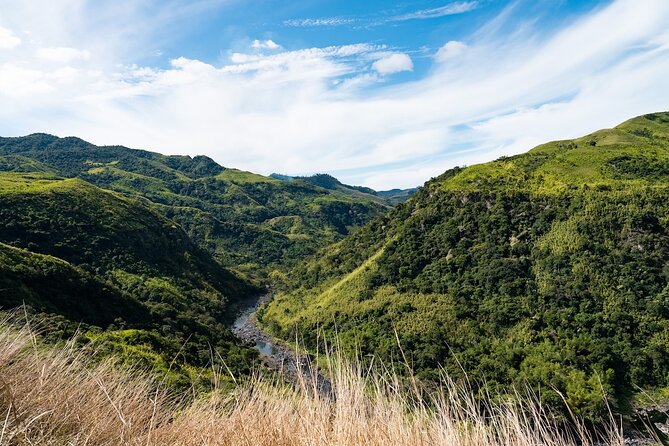
This trip suits you best if you want to see Fiji beyond the resort belt. It is a particularly good match for active couples, small groups of friends, and independent-minded visitors who want a genuine connection with local communities.
It also suits people who enjoy learning through conversation. The cultural side covers more than food and traditional welcome rituals. You can ask about leadership, the vanua, church influence, government, and the history of communities along the old trails.
You should think twice if you are traveling with young children, have limited hiking experience, or need private accommodation and fixed meal choices. The supplied information does not specify room arrangements, bathroom facilities, or a detailed meal plan, so ask Talanoa Treks before you pay if those details affect your decision.
The trip departs most Tuesdays from April through November. That seasonal schedule is useful to know early, since you may need to shape your wider Fiji plans around the departure date.
Practical tips for a better three days
Wear sturdy footwear that you trust on wet, uneven ground. Break in new shoes before arriving in Fiji, since blisters can turn the long second day into a miserable one.
Pack light but bring the basics for a remote stay. A small bag is easier to manage than a large suitcase, especially when you are moving between vehicle transfers, village accommodation, and trails. Ask the operator for the current packing list and any guidance on towels, bedding, rain gear, and water.
Build flexibility into the start and end of your trip. Pickup is usually early afternoon on day one, while the return to Nadi or Suva comes after the final hike and 4WD drive. Do not schedule a tight same-day connection without checking the timing.
Book ahead if your dates are fixed. The experience is commonly booked about 16 days in advance, and departures are limited to most Tuesdays during the operating season.
The cancellation terms are fairly clear but not especially generous close to departure. Cancel at least six full days before the start for a full refund. Cancel two to six full days ahead for a 50 percent refund. Cancellations less than two full days before the start are not refunded. Poor weather may result in a different date or a full refund.
Should you book the Nadrau highlands trek?
Book this trip if you want the real interior of Viti Levu, can handle a long mountain hike, and see village contact as a central part of your holiday rather than an optional add-on. The old trails, community guides, local meals, waterslide, and river views create a rare three-day picture of Fiji.
Skip it if you want a soft adventure, a hotel every night, or a simple timetable. The hills are strenuous, the accommodations are remote, and weather can affect the plan.
For the right person, this is one of the more meaningful ways to spend three days in Fiji. You trade some ease for stories, shared meals, hard-earned views, and a much closer look at highland life.
FAQ
How long is the Fiji hiking adventure?
The experience lasts approximately three days and includes two nights in remote highland communities.
Where does the tour take place?
The trip takes place in the highlands of Viti Levu, including the Nadrau plateau, Naga village, Nabutautau, the upper Sigatoka River area, and Sigatoka.
How difficult are the hikes?
You need a moderate level of physical fitness. Day two covers about 12 kilometers in roughly seven hours on rugged trails with grassland, forest, climbs, and descents. Day three covers about 5 kilometers in approximately four hours.
Is hotel pickup available?
Yes. Pickup is offered, usually from your hotel between 12:30 and 1 p.m. on day one.
Where does the experience end?
After the final hike, you travel by 4WD vehicle from Nabutautau to Sigatoka, then continue to Nadi or Suva.
How many people can join the tour?
The maximum group size is 12 people.
What happens if bad weather cancels the trip?
The experience requires good weather. If it is canceled because of poor weather, you will be offered another date or a full refund.
Just added around Viti Levu
- Discover Coral Coast Combo Tour★ 3.5 · 3 reviews
- Private Transfer from Nadi Airport to Sigatoka/Outrigger Resort/ Bedarra Inn★ 3.5 · 3 reviews
- Private Transfer from Nadi Airport to Suva City/Suva Hotels★ 4.5 · 3 reviews
- Roundtrip Airport Transportation★ 3.5 · 4 reviews
- Private Guided Lautoka Shore Excursion★ 5.0 · 4 reviews
- Islands & Mountains Adventure★ 5.0 · 4 reviews
- Discover Fiji Best Sights Tour from Lautoka wharf Cruise Ships★ 4.0 · 5 reviews
- Private Breathtaking Mnt Victoria Day Trek★ 5.0 · 5 reviews
Viti Levu Tours, compared.
Cruisin Fiji: Authentic Fijian Day Cruise – Best Day in Fiji
Read our review →
Captain Cook Cruises Fiji – Island and Reef Day Cruise
Read our review →
Jewel Of Fiji incl Fijian Village, waterfall & Lunch(Nadi Hotels)
Read our review →
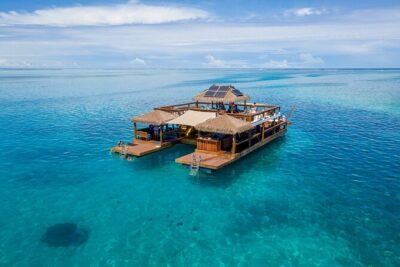
Day Trip to Cloud 9 Floating Platform Including Food and Beverages
Read our review →Browse the lists this tour appears in